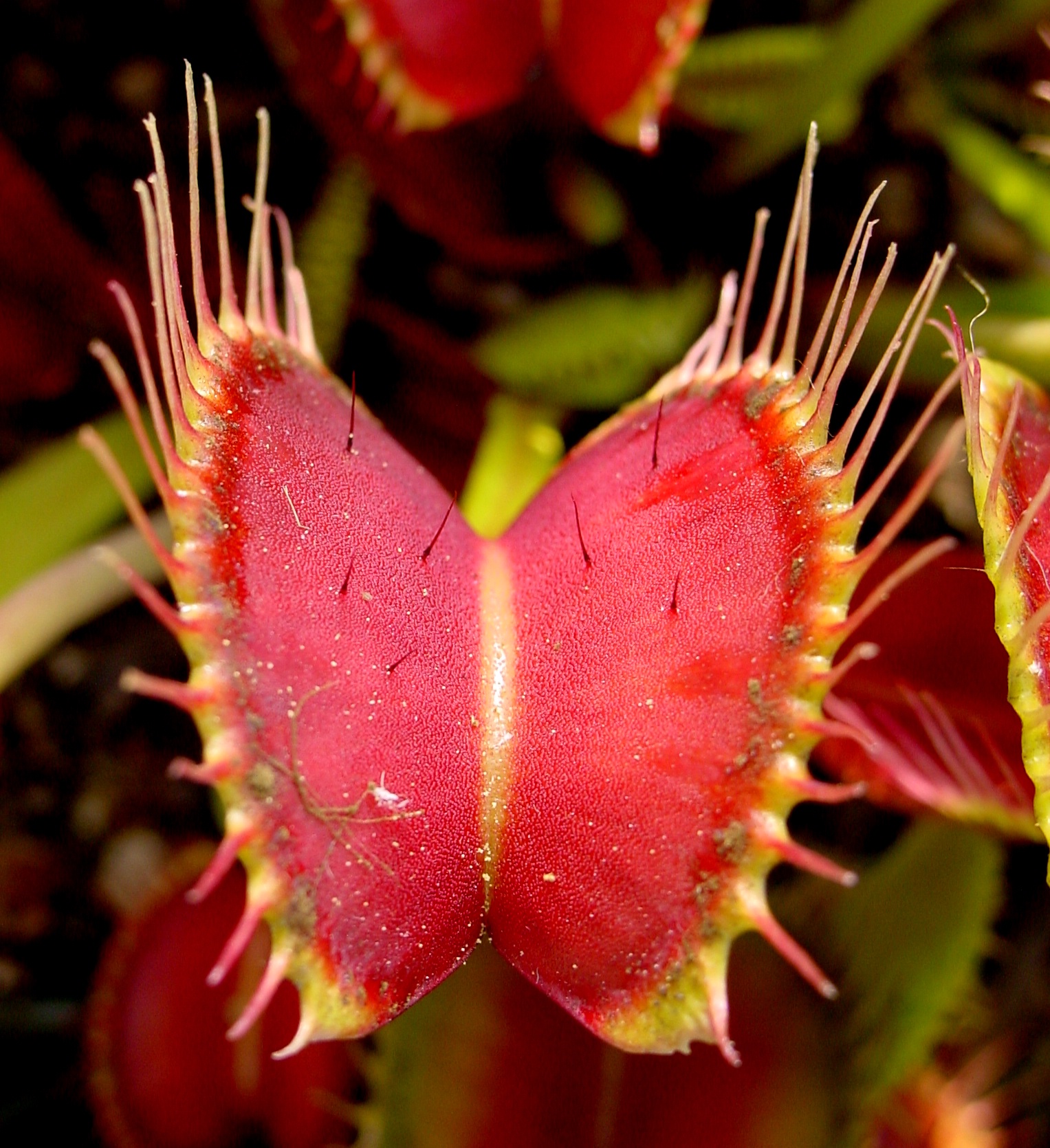
Carnivorous plants have a reputation for being difficult — fragile, demanding, impossible to keep alive in a Chennai flat. The Venus Fly Trap gets the worst of it. But most of that reputation comes from bad advice written for temperate climates. Grown correctly for Indian conditions, Dionaea muscipula is tougher than it looks.
The Three Things That Actually Matter
1. Water — Only Rainwater or RO
This is non-negotiable. Venus Fly Traps evolved in the mineral-poor bogs of North Carolina. Chennai’s tap water and most borewell water will kill them within weeks — the minerals accumulate in the soil and burn the roots. Use collected rainwater, or RO water from a domestic purifier (the output TDS should be below 50 ppm). Keep the pot sitting in a shallow tray of this water at all times — never let it dry out.
2. Sunlight — As Much as You Can Give
Four to six hours of direct sunlight daily is the minimum. A south-facing balcony or windowsill works well. In Chennai’s summers, some afternoon shade helps prevent scorching, but insufficient light is a far more common problem than too much. Under low light the traps grow elongated and weak, and the plant slowly declines.
3. Soil — Peat and Perlite, Nothing Else
Use a 1:1 mix of sphagnum peat moss and perlite. No garden soil, no coco peat (the mineral content varies too much), no fertiliser, no compost. These plants are adapted to near-zero soil fertility — added nutrients cause root burn. The entire point of the traps is to get nitrogen from insects, not from the soil.
Feeding
In an outdoor or balcony setting, the plant will catch its own food. If kept indoors, you can offer a small live or recently killed insect — a housefly or small cricket works well — once every two to three weeks per trap. Don’t feed every trap, and never offer human food, meat, or anything processed. Triggering traps with your finger repeatedly for entertainment damages the plant; each trap has a limited number of closures before it dies back.
Dormancy in Chennai
This is where Indian growers get confused. Dionaea is a temperate plant that naturally goes dormant in winter. Chennai doesn’t get cold enough to trigger proper dormancy — temperatures need to drop below 10°C for several weeks. Without this rest period, plants gradually weaken over two to three years.
The practical solution: keep the plant in your refrigerator’s crisper drawer from December to February. Water lightly once a week (just enough to keep the soil barely moist), keep it in a breathable bag in low light, and bring it back out in March. It looks alarming but it works.
Common Mistakes
- Using tap water — the single most common cause of death
- Feeding the plant soil fertiliser — kills roots quickly
- Triggering traps repeatedly — wastes the plant’s energy
- Repotting too often — VFTs dislike root disturbance; repot once a year at most
- Overwatering in the monsoon — maintain the tray method but ensure the pot has drainage
Get these basics right and a Venus Fly Trap will live for years and multiply by producing offsets. It’s one of the most rewarding plants you can grow — once you stop following advice written for Scotland.