Description
Nepenthes Hybrid Mix — Individual Plant (Ampullaria × Viking × rafflesiana × mirabilis)
🌿 About this plant
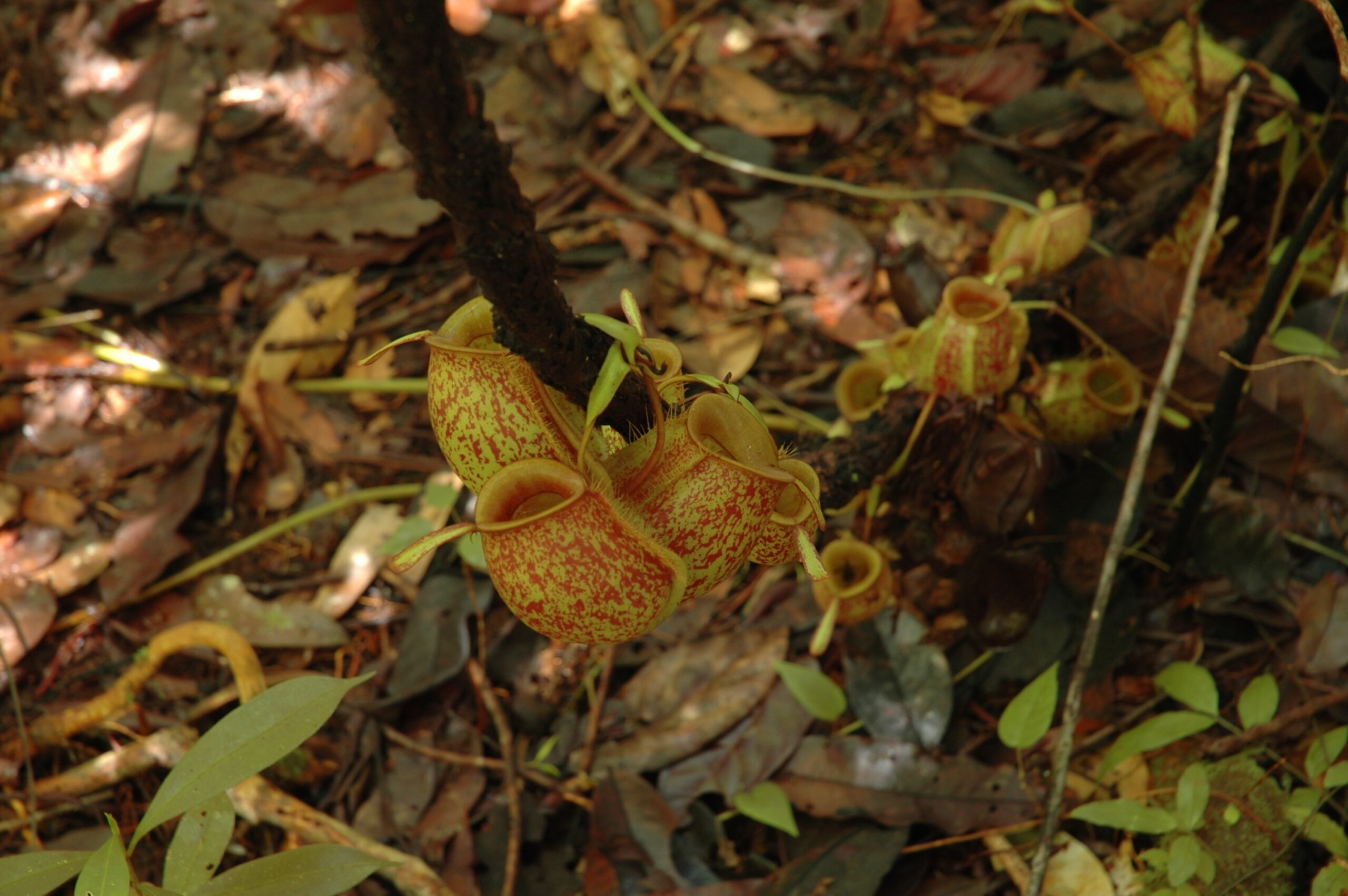
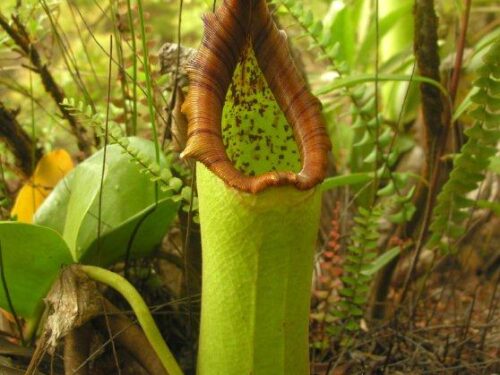
A surprise-variety individual plant from a multi-species hybrid swarm involving four Nepenthes lineages: the compact ground-rosette ampullaria, the vigorous lowland × viking, the widespread and variable rafflesiana, and the adaptable Indian-range mirabilis. Each individual plant in this series is genetically unique, making every purchase a one-of-a-kind specimen.
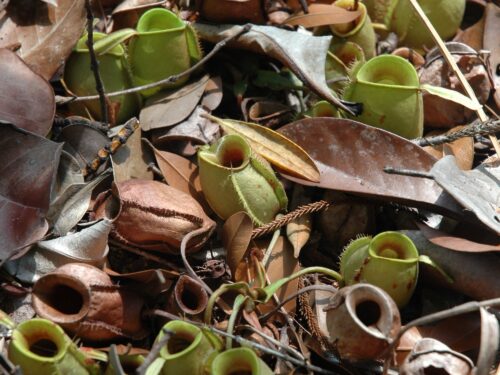
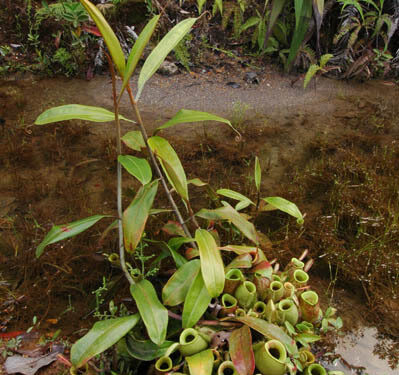
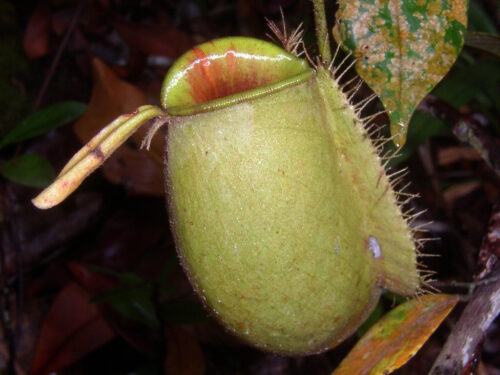
Because these are complex hybrids from open pollination between multiple parent plants, the pitcher form, colour, and growth habit vary between individual plants. Some may express primarily ampullaria characteristics (compact rosette with wide-mouthed pitchers), while others trend toward rafflesiana or mirabilis expression. This genetic variation is precisely what makes the Hybrid Mix series exciting — you receive a unique plant that no other collector has an exact duplicate of.
All plants in this series are lowland-intermediate in care requirements, combining the hardiness of mirabilis and the adaptability of rafflesiana with the vigour of the viking base. They are suitable for a wide range of Indian growing conditions — coastal outdoor growing, humid indoor windowsills, or grow tents.
✨ Why collectors choose it
- Genetically unique individual — no two plants alike
- Four lineages: ampullaria, × viking, rafflesiana, mirabilis
- Tissue-culture hardened and India-acclimatised; the most accessible way in
📊 Care at a glance
| Parameter | What it likes |
|---|---|
| Climate type | Lowland–Intermediate |
| Grower level | Easy |
| Wild origin | Four-way hybrid swarm |
| Light | Moderate to high indirect light. Direct morning sun improves colouration and pitcher production. |
| Water | Distilled or RO water. Tray-watering or top-watering. Keep medium consistently moist. |
| Humidity | 60–85% RH. The multi-species background provides excellent adaptability across a wide humidity range. |
| Temperature | 22–35 °C. True lowland to intermediate. Grows well throughout coastal and peninsular India without supplemental cooling. |
| Growing medium | Long-fibre sphagnum or sphagnum-perlite. Repot when the root mass outgrows the current container. |
🌡️ Detailed care
- ☀️ Light: Moderate to high indirect light. Direct morning sun improves colouration and pitcher production.
- 💧 Water: Distilled or RO water. Tray-watering or top-watering. Keep medium consistently moist.
- 🌫️ Humidity: 60–85% RH. The multi-species background provides excellent adaptability across a wide humidity range.
- 🌡️ Temperature: 22–35 °C. True lowland to intermediate. Grows well throughout coastal and peninsular India without supplemental cooling.
- 🪴 Medium: Long-fibre sphagnum or sphagnum-perlite. Repot when the root mass outgrows the current container.
🔬 Grower notes
A wonderful way to add genetic diversity to a collection, or as a first Nepenthes for a new grower who wants to experience the species without committing to a single-species focus.
🌱 Establishing your plant in India
- 🫧 Week 1: unbox immediately, sit the pot in a bright, shaded, humid spot and let the plant settle for 3–4 days before any repotting
- 🪴 Repotting: only if needed — use fresh long-fibre sphagnum or a sphagnum-perlite mix in a plastic pot with drainage; never garden soil or fertiliser
- 💦 Water: keep the medium damp with rain / RO / distilled water; a 5–10 mm tray of water is fine in hot weather
- 🌬️ Airflow: once acclimatised, avoid a permanently sealed box — moving air improves pitcher formation
- 🐜 Feeding: optional — a few small insects per month once pitchers are active; no fertiliser in the medium
📦 What you will receive
- 1 genetically unique hybrid seedling (10–18 cm), India-acclimatised
- Bag-incubated, then hardened to open-air growth before dispatch
- At least 1–2 live pitchers or forming pitchers at the time of packing
- Printed India-specific Nepenthes care card
🚚 Shipping & order policy
🇮🇳 Ships across India. Prepaid orders only — Cash on Delivery is disabled because carnivorous plants do not survive the darkness and dehydration of a return transit cycle. Orders are packed in batches alongside live lab work; typical processing time is 2–6 weeks depending on the plant and the season. We pause dispatch during peak monsoon (December–January). Every plant is a unique living specimen — the one you receive will vary slightly from the photographs.
Reviews
There are no reviews yet.