Description
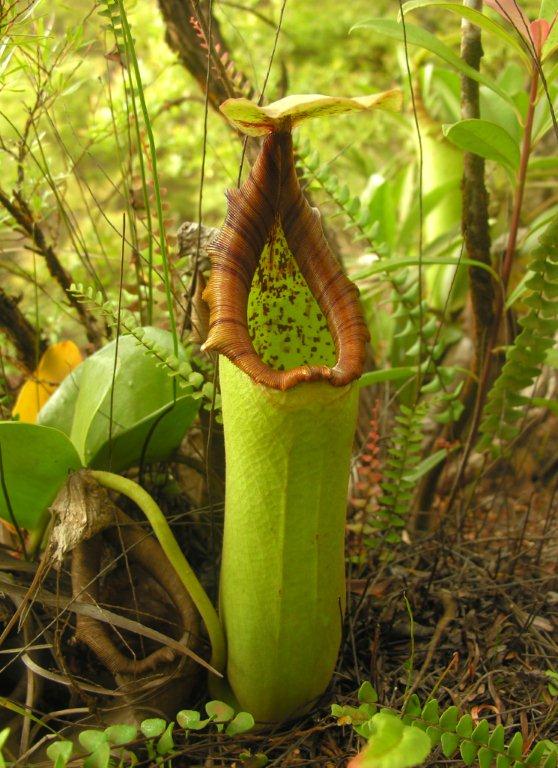
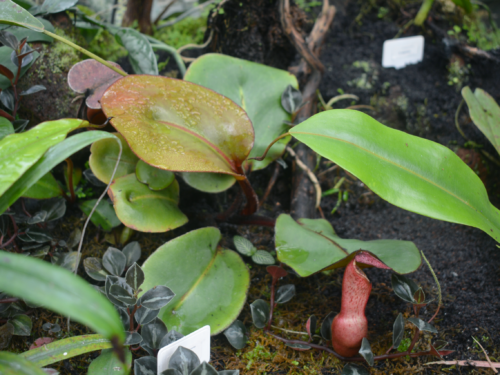
Nepenthes truncata × boschiana is a powerhouse hybrid — two large-pitchered, architecturally striking Borneo species combined into a single plant with a commanding presence. N. truncata is famous for producing the largest pitchers of any Nepenthes by volume (capable of holding over a litre of digestive fluid in mature specimens), while N. boschiana contributes an elongated form and rich red colouration.
🌿 About this plant
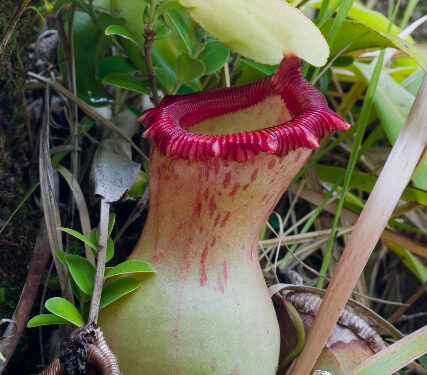
The cross produces pitchers that blend both influences: larger and more cylindrical than pure boschiana, with the truncated, wide-mouthed opening characteristic of truncata and the deep red colouration of boschiana. The peristome (pitcher rim) is wide, strongly ribbed, and develops a rich chocolate-red to maroon colour in good light.
This is a Female (F), Medium (M) specimen — confirmed female clone, important for any grower interested in seed production through cross-pollination. The female flowers of this hybrid are striking in their own right when they appear.
This is a specimen-grade plant for the serious collector. As it grows, the pitchers will increase significantly in size — mature upper pitchers can easily exceed 25 cm. Plan for a large hanging basket or a dedicated greenhouse shelf position.
✨ Why collectors choose it
- truncata's enormous pitcher volume with boschiana's dark colour
- Wide strongly-ribbed chocolate-red to maroon peristome
- Confirmed female M clone — mature uppers can exceed 25 cm
📊 Care at a glance
| Parameter | What it likes |
|---|---|
| Climate type | Intermediate |
| Grower level | Intermediate |
| Wild origin | Hybrid (Philippines × Borneo) |
| Light | High light — minimum 6 hours of bright indirect light, with direct morning sun strongly preferred. Truncata in nature grows in full sun on cliff faces and exposed ridges; this hybrid inherits that light appetite. |
| Water | Distilled or RO water. Tray-watering or careful top-watering. The large pitchers on this hybrid actually fill with rainwater naturally outdoors — this is fine and does not harm the plant. |
| Humidity | 70–85% RH. The truncata influence provides more humidity tolerance than pure highland species. Suitable for intermediate-altitude Indian locations (Bangalore, Pune, Coorg). |
| Temperature | 20–32 °C. Intermediate. Prefers modestly cooler nights than strict tropical lowland species. |
| Growing medium | Chunky mix of long-fibre sphagnum (50%), medium bark chips (30%), and perlite (20%). The large, fast-growing root system of this hybrid appreciates a loose, airy medium that allows good root expansion without compaction. |
🌡️ Detailed care
- ☀️ Light: High light — minimum 6 hours of bright indirect light, with direct morning sun strongly preferred. Truncata in nature grows in full sun on cliff faces and exposed ridges; this hybrid inherits that light appetite.
- 💧 Water: Distilled or RO water. Tray-watering or careful top-watering. The large pitchers on this hybrid actually fill with rainwater naturally outdoors — this is fine and does not harm the plant.
- 🌫️ Humidity: 70–85% RH. The truncata influence provides more humidity tolerance than pure highland species. Suitable for intermediate-altitude Indian locations (Bangalore, Pune, Coorg).
- 🌡️ Temperature: 20–32 °C. Intermediate. Prefers modestly cooler nights than strict tropical lowland species.
- 🪴 Medium: Chunky mix of long-fibre sphagnum (50%), medium bark chips (30%), and perlite (20%). The large, fast-growing root system of this hybrid appreciates a loose, airy medium that allows good root expansion without compaction.
🌱 Establishing your plant in India
- 🫧 Week 1: unbox immediately, sit the pot in a bright, shaded, humid spot and let the plant settle for 3–4 days before any repotting
- 🪴 Repotting: only if needed — use fresh long-fibre sphagnum or a sphagnum-perlite mix in a plastic pot with drainage; never garden soil or fertiliser
- 💦 Water: keep the medium damp with rain / RO / distilled water; a 5–10 mm tray of water is fine in hot weather
- 🌬️ Airflow: once acclimatised, avoid a permanently sealed box — moving air improves pitcher formation
- 🐜 Feeding: optional — a few small insects per month once pitchers are active; no fertiliser in the medium
📦 What you will receive
- 1 established, actively-growing plant — one clump per order (sold individually)
- Bag-incubated, then hardened to open-air growth before dispatch
- At least 1–2 live pitchers or forming pitchers at the time of packing
- Printed India-specific Nepenthes care card
🚚 Shipping & order policy
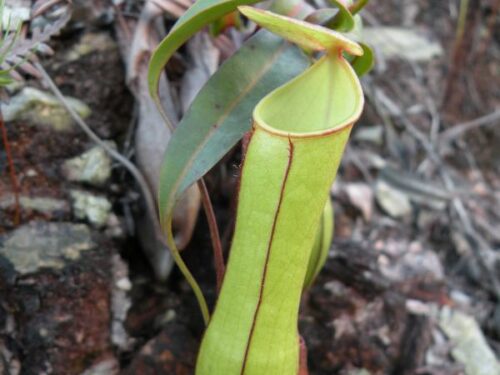
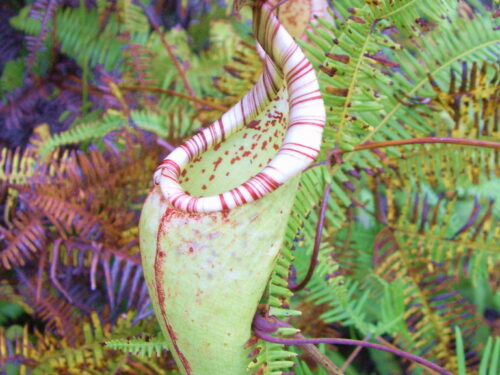
🇮🇳 Ships across India. Prepaid orders only — Cash on Delivery is disabled because carnivorous plants do not survive the darkness and dehydration of a return transit cycle. Orders are packed in batches alongside live lab work; typical processing time is 2–6 weeks depending on the plant and the season. We pause dispatch during peak monsoon (December–January). Every plant is a unique living specimen — the one you receive will vary slightly from the photographs.
Reviews
There are no reviews yet.