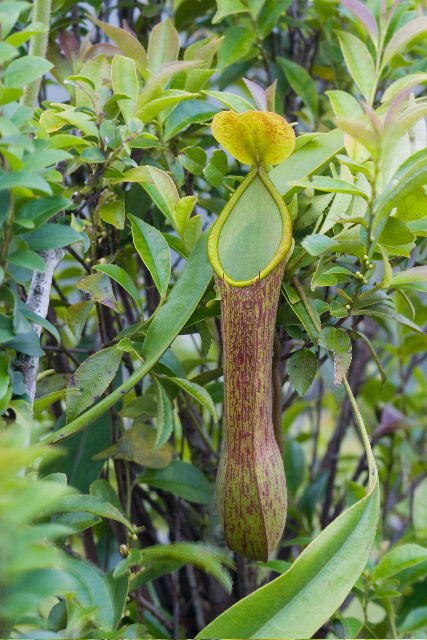
Nepenthes are the aristocrats of the carnivorous plant world — elegant, architecturally striking, and surprisingly adaptable to Indian conditions if you choose the right species. This guide covers what beginners need to know before buying their first pitcher plant.
Lowland vs Highland — Know Which You’re Buying
This is the most important distinction in Nepenthes cultivation. The genus is divided broadly into two groups based on altitude:
- Lowland species (below 1000m) — hot days, warm nights, high humidity. Examples: N. rafflesiana, N. mirabilis, N. ampullaria. These do well in most Indian plains climates.
- Highland species (above 1500m) — warm days but cool to cold nights (12–18°C). Examples: N. ventricosa, N. maxima, N. sanguinea. These need the temperature drop at night to thrive.
Chennai summers will stress most highland species during the day, but if your nights cool down to 22–25°C or below, many intermediates and some pure highlanders manage. Nepenthes ventricosa is widely considered the most forgiving highland species for Indian growers — it tolerates warmer nights better than most.
Light
Nepenthes want bright, indirect light. A spot with morning sun and afternoon shade is ideal. Too much harsh direct afternoon sun in Chennai summers will bleach and burn the leaves. Too little light and pitcher production slows or stops — the plant will still grow, just without pitchers. A shaded south or east-facing balcony is usually the sweet spot.
Water and Humidity
Use rainwater or RO water. Tap water is fine for a few waterings but causes long-term issues from mineral buildup. Nepenthes are more forgiving than Dionaea in this regard but the same principle applies. Keep the soil moist but not waterlogged — most species prefer to dry out slightly between waterings rather than sit in a wet tray.
Humidity is important. Most species want 60–80% relative humidity. Chennai’s coastal climate helps considerably. During dry seasons, misting the leaves in the morning (not evening, to avoid fungal issues) or placing a humidity tray nearby helps.
Soil and Pots
A standard Nepenthes mix: 2 parts sphagnum peat + 1 part perlite + 1 part orchid bark or coco chips. Good drainage is essential — roots sitting in water rot quickly. Use plastic or glazed ceramic pots (unglazed terracotta dries out too fast and may leach minerals).
Feeding and Fertilising
If your plant is outdoors, it will catch its own insects — small flies, ants, and moths will find the pitchers. You can supplement by dropping a small insect into one or two pitchers per month. Never fertilise the soil. Some growers use very dilute foliar fertiliser (Maxsea at 1/4 strength) sprayed on leaves or dropped into pitchers — this is optional but can speed growth in low-insect environments.
Starting Species for India
- N. ventricosa — most forgiving highland species, widely available, beautiful red-striped pitchers
- N. alata — tough intermediate, handles a wide temperature range
- N. mirabilis — true lowland, does very well across peninsular India
- N. ampullaria — unique ground-dwelling species, tolerates shade, excellent for terrariums
Start with one of these, get comfortable with the watering and light requirements, and expand from there. Nepenthes grown well will produce pitchers year-round in Indian conditions — a constant, slow-motion drama on your balcony.